May 25, 2026


Raising Global Kids, One Bite at a Time
Raising global children can begin at the kitchen table, where exploring diverse foods helps kids build cultural awareness, curiosity, and connection long before they travel. By involving children in cooking, storytelling, and shared meals, families can turn everyday eating into meaningful global learning experiences.
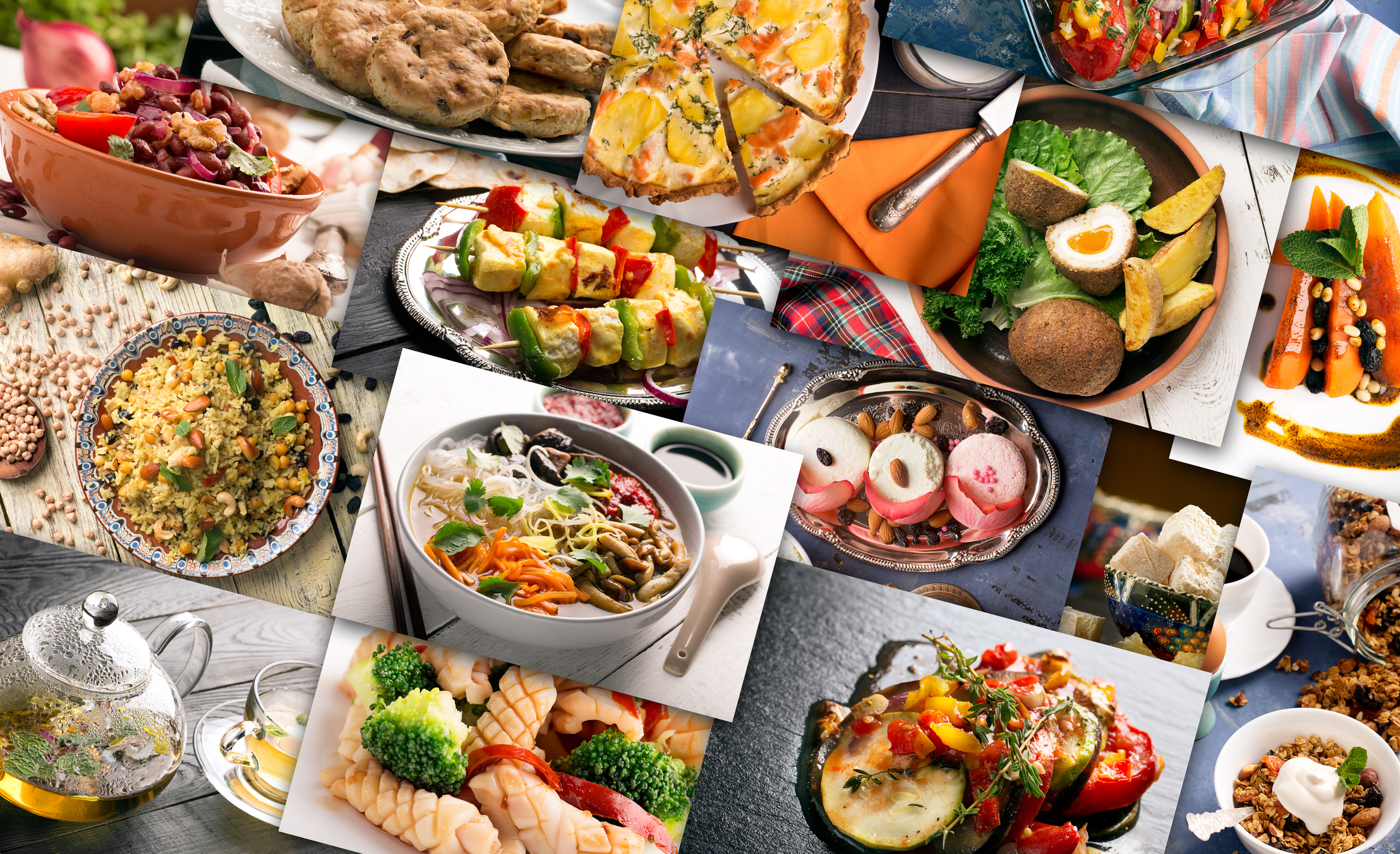
Raising global children doesn’t need to start with travel or formal learning. Whet their appetite for the world at the kitchen table! When people share food, they connect on a deep and personal level. Beloved ethnic dishes can teach a lot about that culture. Plus, introducing kids to a variety of cuisines early on will broaden their palettes, so parents don’t always have to make a side of mac & cheese with dinner.
We first experience the world through our mouths. Babies stuff whatever they can get into their mouths to explore, experiencing all kinds of flavors, textures, and shapes (edible and not). Parents can use that inclination to introduce kids to a rich range of tastes. Following a pediatrician’s recommendation and the schedules for introducing new foods, babies can eat chopped and cooled versions of the same meal their parents eat.
As they grow, get your kids involved in the cooking process. Many professional chefs recall first falling in love with food while watching their parents cook. Kids are often more interested in foods they have helped prepare. Once a young child is eating with the rest of the family, you have all the ingredients for family culinary adventures. Here are some tips to help make your early explorations successful:
- Start with favorites and expand. If your child already likes grilled cheese, it’s a simple stretch to quesadillas. Pureed spinach and cut-up cheese aren’t far from saag paneer.
- Introduce new ingredients one or two at a time so they don’t get overwhelmed. Show them the ingredient in its raw form and, if safe, let them try it on its own before putting it into a recipe.
- Remember that young palates are delicate, so go easy on salt, fiery spices, and other strong tastes. Fresh herbs or blends with sweet spices, such as Russian magiya vostoka or Moroccan ras-el-hanout, are good starting points.
- Whenever you can, secure your ingredients from a farmer’s market or local farm. Better still, grow them yourself. It’s been proven that when children feel connected to where their food comes from, they are more interested in food and learn to eat healthier.
- Be sure to include cuisines that your family has a personal connection to, such as special dishes from your ancestral home country or places where you have spent time, so that stories about those places can reinforce the pleasure of the new foods.
Culinary exploration isn’t limited to your home! In school, kids are surrounded by diverse cultures and flavors; a potluck where families bring dishes from their culture or background builds community and connection. Take kids to local restaurants and encourage them to try something new from a parent’s plate.
Bring dinner and reading together by making dishes inspired by storybook recipes from around the world. For example, Dumplings for Lili is about a young girl who goes around her apartment building, finding ingredients and learning about dumplings from other cultures, such as pierogi, beef patties, ravioli, and more! Every country in the world has its own version of a dumpling, so there’s plenty to explore. Pick a favorite type of food, like pizza, and learn how different countries eat it. And it doesn’t need to be foreign – even in the U.S., there are many regional pizza styles to try!
Adventuring with global flavors opens the world to small children in an accessible way. Once they’re ready to travel, they may find familiar dishes that sparked their curiosity early on.
Recent Posts


April 5, 2026
Friendship Across Cultures
March 31, 2026
Importance of Raising Global Children
.png)
March 8, 2026
Women Move Up By Moving Overseas
Trusted Worldwide






.png)
.png)
.png)
.png)

.png)
.png)
.png)
.png)