May 25, 2026


Friendship Across Cultures
Wherever we live, we should expect to be sharing our schools, communities, neighborhoods, clubs, and houses of worship with people from increasingly diverse backgrounds, the ones that globalization brought here. With this diverse population, our children have the important means of building friendships with different children to bridge the gap between cultures.
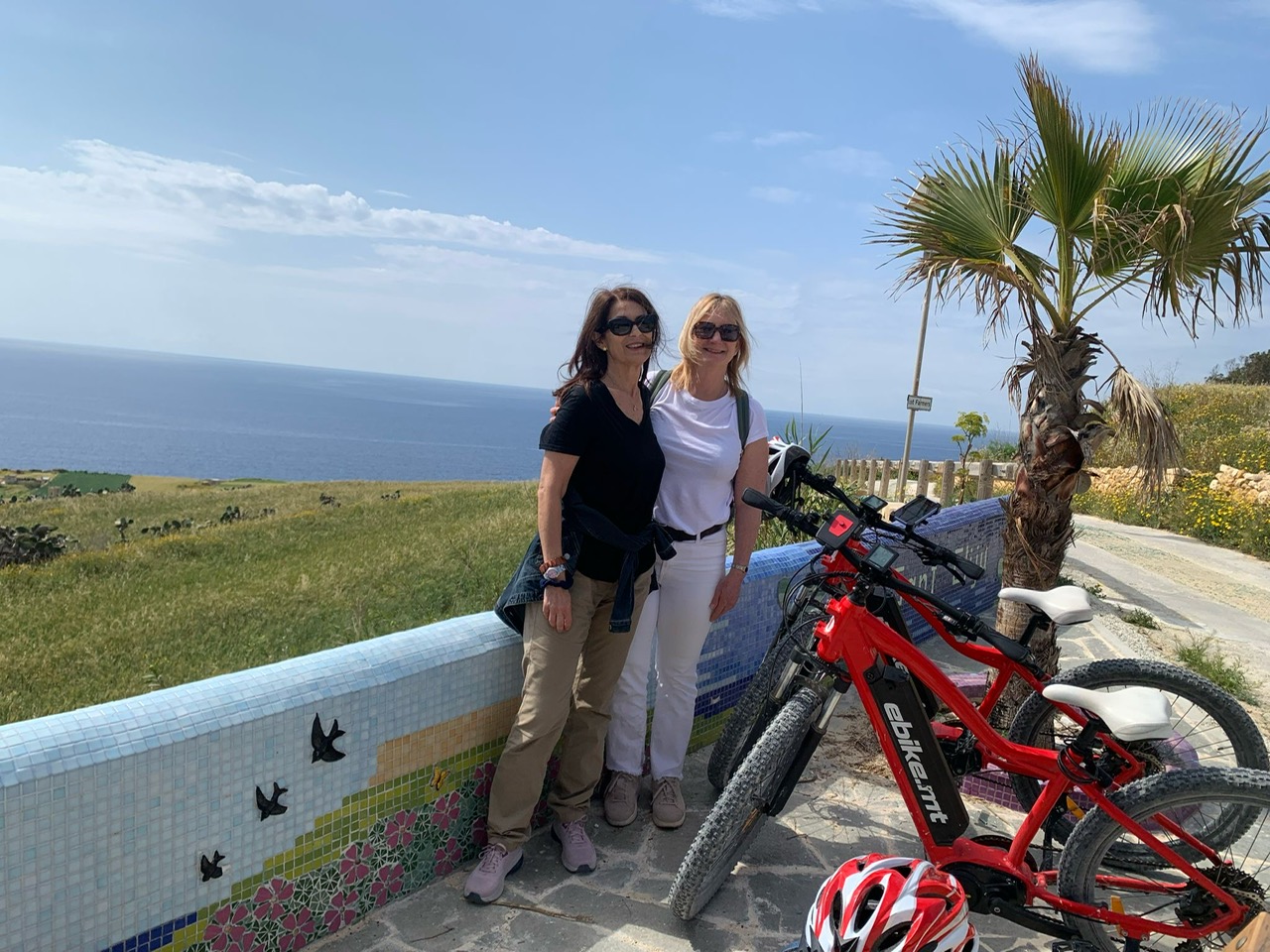
Photo: Stacie and her best friend, Eleonora, bilking in Malta last spring. The two met as 1st year students at FAU; Eleonora was an international student from Rome.
With summer fast approaching, children may have the opportunity to meet kids who are different than they are in camps, at the library, community centers, and maybe even on family trips. Encouraging them to make friends with other kids who are different — no matter how big or small the difference — is an excellent way to encourage acceptance of diversity and participate in friendships that bridge cultures. This, in turn, can lead to forming friendships across cultures and nationalities, which is recognized as one of the most important aspects of developing a global mindset.
Cross-cultural learning and sensitivity is all theoretical until children actually begin interacting with people from different backgrounds and with different assumptions about the world. Such interactions aren’t always easy, but they are rich with possibilities for new perspectives, ideas, experiences, and awareness. The most productive of these, naturally, will be those with other children with whom they can relate on the level that comes most naturally and comfortably to them. Having play dates and caregiving swaps with children and families from different cultures often means a chance for your child to try new foods, games, and other fun activities, and hopefully is a way to avoid play dates centered around Xboxes and the classmate with the most American Girl dolls.
There are many opportunities for children to find more diverse friends. Consider for instance:
- School. Both public and private schools are generally more diverse and multicultural today than ever before. That is one of the great advantages of living in regions of cultural diversity. By making a point of inviting over classmates who come from different backgrounds, you will be helping both children learn that different doesn’t mean wrong, just different.
- Libraries and parks. Local libraries and parks often host events celebrating a range of holidays relevant to various immigrant and established cultural populations in the area. These events, along with the stories read and games played there, can be great ice-breakers for building friendships. There may also be groups that meet regularly at a local park or library that focus on a certain language or culture. Ask your local librarian or park ranger for details.
- Faith-based groups. Churches, synagogues, and mosques often host exchange programs with fellow members in different parts of the world. Some faith-based communities organize mission trips for young Americans, trips which can often be positively transformative.
- Cultural festivals. Check out community calendars, local websites, and other sources for information on ethnic festivals, holiday celebrations, and cultural activities. Attending these can be a lot of fun and offer new and interesting games, crafts, foods, and other activities to add to your family’s repertoire. Ideally, you will also meet some families there whose kids hit it off with yours, and can provide them with new ways of viewing the world.
- Sports teams. Depending on where you live, immigrant families may regularly get together to play their national sports. Such groups are generally welcoming to local families who want to join in. In addition to learning how to play a new sport, you are also likely to learn a good deal about the culture from which it comes.
- Immigrant neighborhoods. Immigrant communities typically offer ethnically focused restaurants, groceries, art galleries, craft supply stores, and other venues where it is possible to meet and get to know significantly different American families.
- Refugee groups. Many groups around the United States help resettle refugees who have come to our country from difficult situations in their home countries. Of course, newly arrived refugee families often still dwell emotionally in their home country crises and you will need to exercise reasonable caution in not exposing your children to too much “second-hand trauma.” But children can be very resilient, and often what newly arrived refugee children most want and need is to find welcoming, new friends with no connections to the turmoil they have left behind. As a result, they can quickly become steadfast friends and playmates for U.S.-born children. Time spent with refugee children can also work wonders in helping your child focus on what is important in life, especially family, and all the fun that can be had without a lot of money or material goods. For information on volunteering as a family or otherwise helping make connections with refugee groups in your area, contact your local chapter of Integrated Refugee & Immigrant Services (IRIS).
- Academic visitors. Your local college or university may have a host of graduate students, post-docs, visiting scholars, and other academics who have brought along their families, and whose children are also looking for friends among the local population.
- International exchange groups. A variety of national organizations are increasingly dedicated to helping strengthen people-to-people exchanges between Americans and the rest of the world. You can do a tremendous amount to introduce the outside world into your home via any of the many programs that bring foreign visitors to the United States for periods of time and involve home-stays. Some examples include AFS to host an exchange student; Exchange Families International to participate in reciprocal exchanges for children 8-17; Cultural Homestay International for a variety of homestay programs; and International Student Exchange for American high school students interested in living abroad -- and there are many more.
- Pen-pal programs. The Internet has transformed traditional pen-pals into electronic pen-pals or “ePals.” And while there will be no more exotic stamps and fascinating stationery arriving from far away, gone, too, is the necessity of waiting weeks for a response. Parents should exercise caution and focus on sites that do not require any personal information from your child, and monitor with whom they email or chat. But having said that, there are still many rewarding sites worth looking at, including Students of the World and ePals.
- Meet-up groups. The Internet can be a rich source of information on groups organized around any number of topics, including those focused on language or cultural exchange. As mentioned before, just be sure to exercise caution when meeting up with people you don’t know, especially when children are involved. Choose a public place for first meetings.
If you can’t find a group to join in your area that is dedicated to international and cross-cultural exchange, consider starting one!
Of course, friendships must be natural and not forced. But if your lifestyle permits, try stretching yourself and encouraging your child to add more diverse and multicultural friendships to their existing mix. Your children can learn many great life lessons from dealing on their own terms with children from radically different cultures and backgrounds, whether they are kids from faraway places or kids who look and act differently and yet live in the same town.
If you’re interested in learning more about helping your children develop a global mindset, check out Raising Global Children.
Recent Posts

March 31, 2026
Importance of Raising Global Children
.png)
March 8, 2026
Women Move Up By Moving Overseas

February 25, 2026
Study Abroad Day 2026: 10 Common Myths About Studying Abroad
Trusted Worldwide






.png)
.png)
.png)
.png)

.png)
.png)
.png)
.png)